









































Mastering Healthy Eating at Home: Your Guide to a Balanced Diet and Wellness
Have you ever wondered how you can improve your overall wellbeing without leaving your kitchen? Embracing Healthy Eating is an empowering way to take control of your health. By cultivating a nutritious Balanced Diet at home, you not only improve physical health but also boost mental clarity and emotional wellbeing. Understanding how to optimize these habits in your daily routine is essential for long-term vitality.
Materials & Supplies
- Basic Kitchen Equipment: A sharp chef’s knife, cutting board, measuring cups and spoons, mixing bowls, and a reliable blender. These tools make food preparation easier and more efficient.
- Storage Containers: BPA-free airtight containers help in storing leftovers and pre-prepped ingredients to maintain freshness and reduce waste.
- Healthy Ingredients: Incorporate fresh produce, whole grains (like quinoa or brown rice), lean proteins (such as chicken, tofu, or legumes), and healthy fats (olive oil, nuts, seeds).
- Kitchen Scale: Optional but helpful for portion control to ensure servings align with a Balanced Diet.
- Supplemental Wellness Aids: Multivitamins or omega-3 supplements as advised by a healthcare provider.
Timing / Routine Schedule

Preparation time ranges from 15 to 45 minutes depending on meal complexity. A daily routine that includes three balanced meals and 1-2 nourishing snacks helps in consistent nutrient intake. Adopting this lifestyle typically shows noticeable energy and digestion improvements within 2 to 4 weeks. Compared to fad diets, this sustainable pace encourages positive habits without overwhelming your schedule.
Step-by-Step Instructions
- Plan Your Meals: Dedicate 10 minutes weekly to outline meals using a Balanced Diet framework that includes a variety of macronutrients.
- Shop Smart: Purchase seasonal fruits and vegetables, whole grains, and lean proteins. Stick to your list to avoid impulse buying.
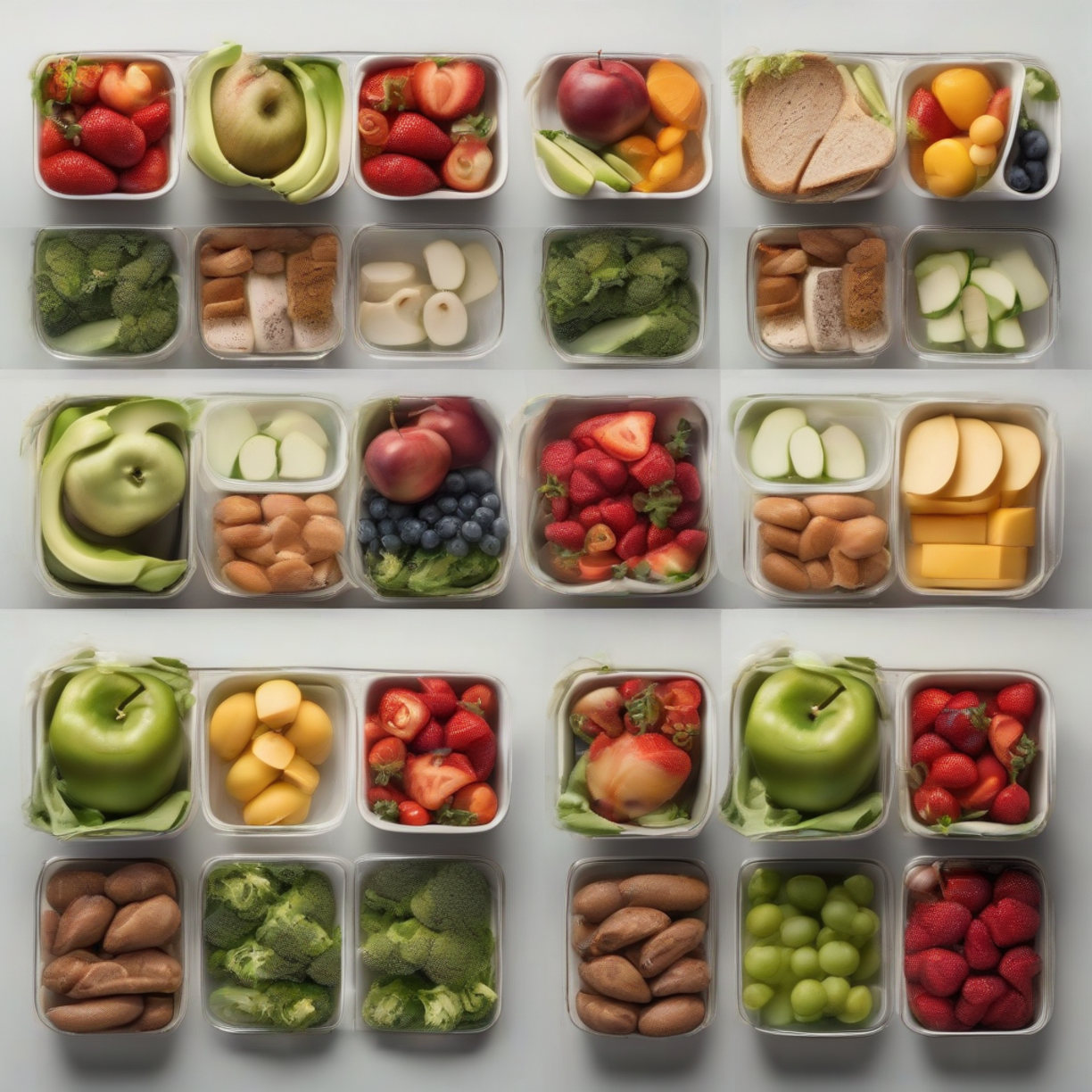
- Prep in Advance: Wash, chop, and portion ingredients for quick access during busy days.
- Cook Mindfully: Use cooking methods like steaming, grilling, or roasting to preserve nutrients while adding flavor.
- Monitor Portions: Use measuring tools or visual cues (e.g., palm size protein portions) to maintain Healthy Eating portions and prevent overeating.
- Stay Hydrated: Drink at least 8 cups of water daily to support digestion and metabolism.
- Reflect and Adjust: Keep a food journal to track what works and tweak your diet accordingly for sustained success.
Nutritional Benefits / Health Advantages
Adopting Healthy Eating habits offers extensive benefits. Physically, it supports weight management, reduces risk of chronic diseases like diabetes and heart disease, and strengthens immune function. Mentally, it improves focus, mood stability, and reduces symptoms of anxiety. A well-maintained Balanced Diet provides essential vitamins and minerals that promote healthy skin, hair, and energy levels, empowering you to live a more vibrant lifestyle.
Tips, Alternative Methods, or Health Advice
For beginners, start by swapping processed snacks with fruits or nuts. Vegetarians or vegans can ensure adequate protein by incorporating legumes, tempeh, and chia seeds. Those with busy schedules can utilize meal prep services or batch cook recipes. Additionally, mindful eating—paying attention to hunger cues and savoring meals—enhances digestion and satisfaction. In colder climates, include warming spices like ginger and turmeric.
Common Mistakes to Avoid
- Skipping Meals: This can lead to overeating later. Instead, maintain a consistent eating pattern.
- Overreliance on Supplements: Whole foods should be your nutrient base, not pills.
- Ignoring Portion Sizes: Even healthy foods can contribute to weight gain if portions are excessive.
- Neglecting Hydration: Water intake is crucial for metabolizing nutrients properly.
- Restricting too Rigidly: Flexibility prevents feelings of deprivation and supports long-term adherence.
Storage / Maintenance Tips
Maintain your progress by storing foods properly to reduce spoilage and nutrient loss. Use airtight containers and refrigerate fresh produce promptly. Freeze leftovers in meal-size portions for convenience. Periodically reassess your Balanced Diet to adjust to lifestyle changes or nutritional needs. Keeping a routine food diary helps monitor trends and sustain results over time.
Conclusion
Successfully embracing Healthy Eating at home lays a strong foundation for lifelong wellness. By planning meals mindfully, using the right tools, and following a well-rounded Balanced Diet, you boost both physical health and mental clarity. Start small, be patient, and celebrate progress to keep motivation alive. Share your journey with us or explore our related posts for more inspiration!
FAQs
- How quickly can I see benefits from adopting Healthy Eating?
- Most people notice improved energy and digestion within 2-4 weeks when consistently following a Balanced Diet.
- Can I enjoy treats while maintaining a Balanced Diet?
- Yes, moderation is key. Enjoying occasional treats can prevent feelings of deprivation and improve adherence.
- What if I have dietary restrictions?
- Tailor your diet by choosing alternative nutrient sources, such as plant-based proteins or gluten-free grains, to maintain balance.
- Are supplements necessary?
- Supplements can support your diet but should not replace nutrient-dense foods. Consult a healthcare provider before adding them.
- How can I prevent overeating?
- Focus on portion control, eat slowly, and listen to hunger and fullness cues to avoid overeating.