







































Effective Strategies for Depression Support and Mental Health Counseling at Home
Are you or someone you know struggling with emotional challenges and seeking accessible ways to improve mental well-being from the comfort of home? Understanding practical techniques for depression support and mental health counseling can transform how we approach recovery. In today’s fast-paced world, having tools to manage your mental health proactively is invaluable—not only to alleviate symptoms but to empower lasting resilience. This blog post explores step-by-step strategies, necessary materials, beneficial schedules, and expert advice to enhance emotional health effectively at home.
Materials & Supplies
To embark on a personalized journey for effective depression support and mental health counseling practices, gather the following items:
– Journal or Notebook: Essential for tracking moods, journaling feelings, and noting progress.
– Calming Tools: Items such as stress balls, essential oils (lavender or chamomile), or weighted blankets aid relaxation.
– Mindfulness Apps or Audio Guides: For meditation, breathing exercises, or therapeutic guided sessions.
– Comfortable Space Setup: A quiet, cozy corner with a chair or floor cushion dedicated to reflection or therapy-like sessions.
– Supportive Literature: Books or brochures on cognitive behavioral therapy (CBT), emotional regulation, or self-help methods.
– Communication Devices: A phone or computer ready for virtual mental health counseling sessions or support groups.
– Optional Supplements: Consult your healthcare provider for safe use of vitamins like B-complex, omega-3 fatty acids, or magnesium to complement mental health improvement.
Each tool supports different facets of your holistic care plan, tailoring to mental and emotional balance while fostering sustainable coping mechanisms.
Timing / Routine Schedule
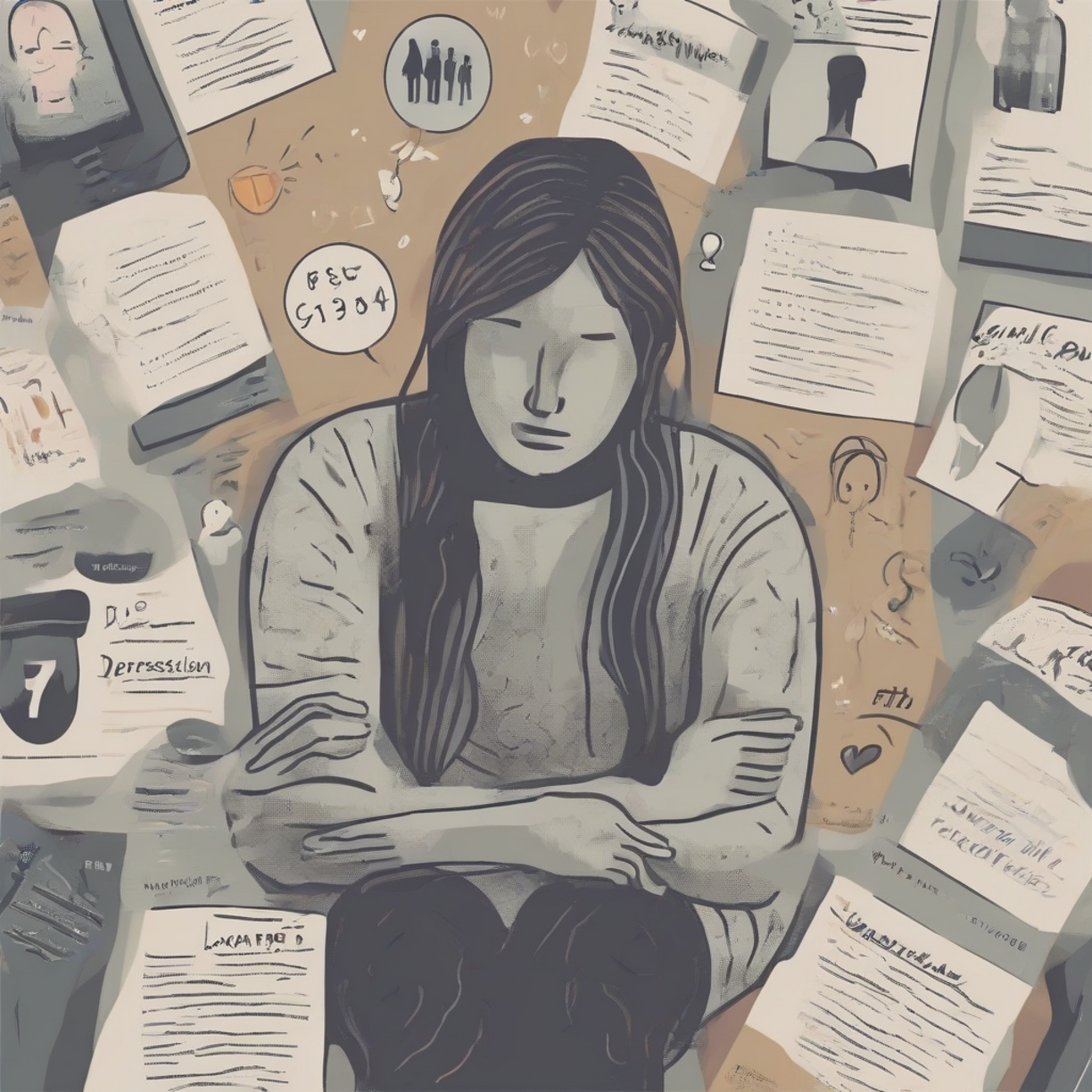
Preparation for integrating depression support and mental health counseling at home is minimal—often under 10 minutes. Establishing a daily routine that incorporates deliberate mental wellness practices—such as journaling, mindful meditation, and scheduled virtual counseling—can initially take 30 to 45 minutes per day.
– Short-Term Commitment (4-6 weeks): Most individuals begin to notice mood stabilization and increased emotional awareness.
– Long-Term Practice (3 months and beyond): Enhanced resilience, reduced depressive symptoms, and improved communication skills markedly improve.
By comparison, investing 30-45 minutes daily into these practices can rival benefits seen in more intensive outpatient care over similar periods.
Step-by-Step Instructions
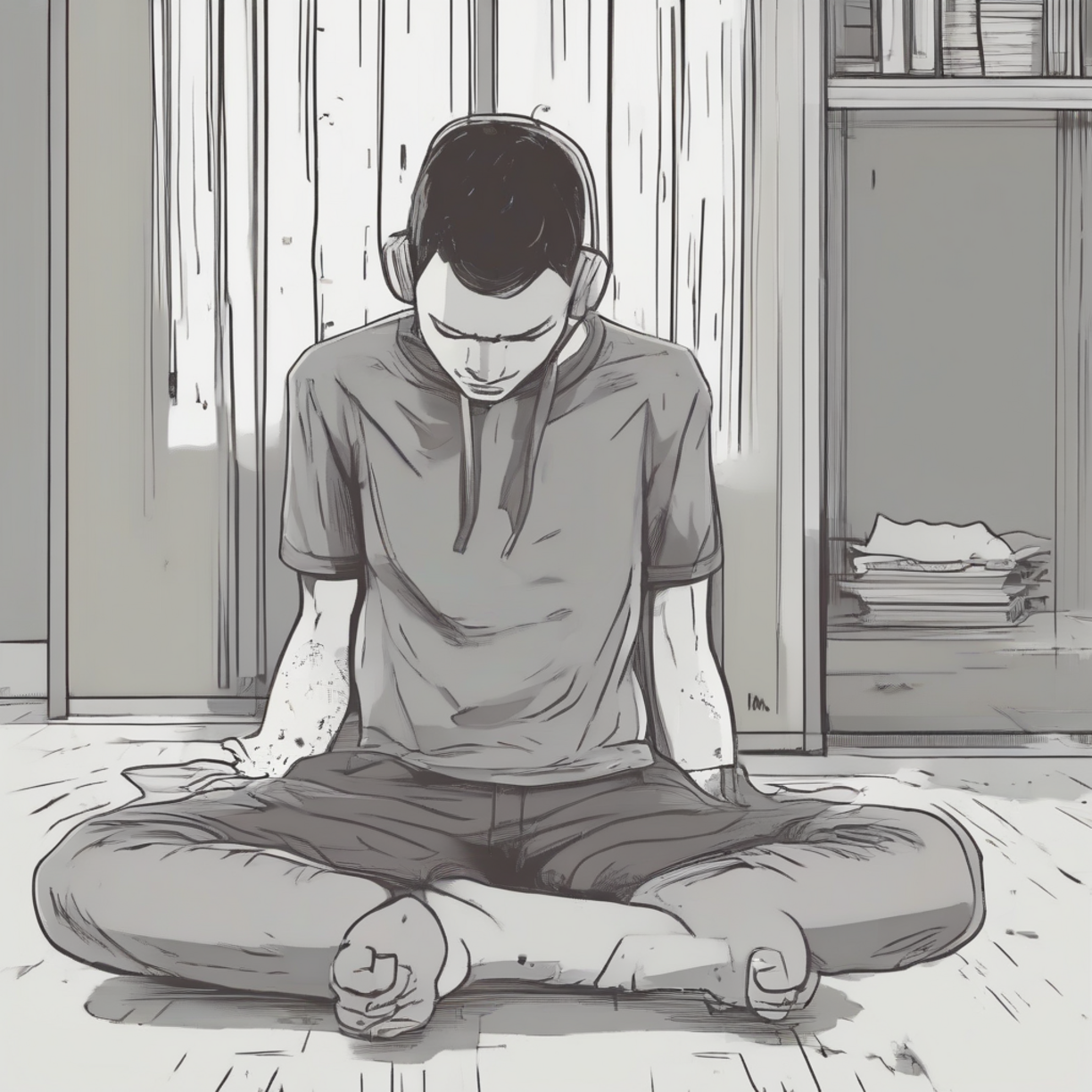
Follow these clear steps for effective depression support and mental health counseling at home:
1. Create a Comforting Environment: Dedicate a quiet nook free from distractions; smell calming scents or play soft background sounds.
2. Begin with Journaling: Spend 10 minutes daily noting emotions, triggers, or positive affirmations. This practice clarifies thinking patterns and emotional cycles.
3. Engage in Mindfulness Techniques: Use a mindfulness app or guide for 10-15 minutes of focused breathing or meditation to center thoughts and reduce anxiety.
4. Schedule Regular Counseling: Use telehealth platforms to connect with a licensed mental health professional for guidance, coping strategies, and therapeutic support.
5. Incorporate Movement: Add light physical activities such as yoga or walking to boost serotonin levels.
6. Review Weekly Progress: Reflect in your journal on developments, challenges, and emotional shifts. Adjust your routine as needed.
Small actionable advice: Set alarms as reminders to keep your routine consistent, and reward yourself for each completed session to reinforce positive habits.
Nutritional Benefits / Health Advantages
Mental well-being is closely linked with nutrition and lifestyle habits. Establishing routines for depression support and mental health counseling can lead to:
– Improved Mood & Reduced Anxiety: Balanced diets and counseling reduce cortisol levels and emotional reactivity.
– Enhanced Cognitive Function: Nutrition and mental exercises improve memory, focus, and decision-making.
– Better Sleep Patterns: Holistic approaches reduce insomnia linked to depression.
– Increased Emotional Resilience: Consistent support and self-care practices empower long-term coping mechanisms.
– Greater Social Engagement: Counseling encourages communication skills facilitating healthier relationships.
Understanding physical and psychological synergy optimizes comprehensive health recovery.
Tips, Alternative Methods, or Health Advice
– Try Art or Music Therapy: Use creative outlets for emotional expression where direct counseling is unavailable.
– Practice Gratitude Journaling: Shift focus from negative thought patterns by listing daily positives.
– Incorporate Nature Therapy: Spending time outside boosts vitamin D and mood.
– Begin Slowly: For beginners, start with shorter mindfulness sessions and build duration gradually.
– Modify for Different Age Groups: Youth and seniors might require modified activities such as storytelling journals or gentle stretching.
– Utilize Peer Support Groups: Online forums or community groups foster shared experience and motivation.
These variations make mental health care accessible, adaptable, and engaging.
Common Mistakes to Avoid
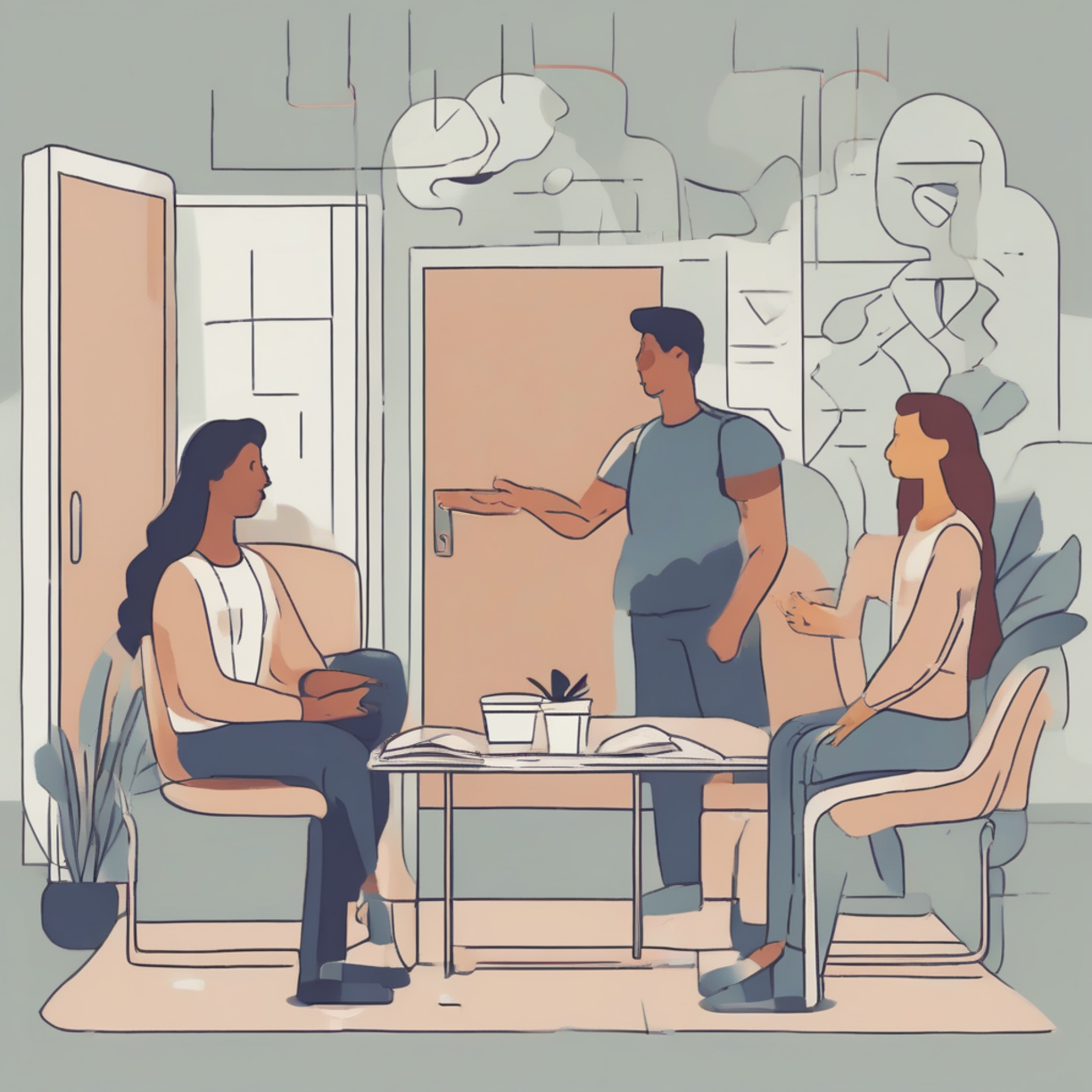
1. Inconsistency in Practice: Skipping sessions weakens progress; establish firm scheduling.
2. Ignoring Professional Help: Self-care complements but does not replace licensed counseling.
3. Overloading the Routine: Avoid overwhelming yourself with too many activities at once.
4. Negative Self-Talk: Monitor internal dialogue; challenge and reframe thoughts.
5. Neglecting Physical Health: Overlooking nutrition and exercise impedes mental wellness.
Prevent these pitfalls by setting realistic goals, seeking support, and maintaining self-compassion.
Storage / Maintenance Tips
Maintaining improvement requires:
– Routine Review: Weekly reflections to assess emotional state and tweak interventions.
– Continued Education: Stay informed through credible resources on mental health.
– Open Communication: Keep regular contact with care providers and support circles.
– Adaptive Planning: Modify routines following life changes or emerging challenges.
– Self-Care Commitment: Prioritize mental health as an ongoing practice, not a one-time fix.
Consistent upkeep fosters resilience and reduces relapse risk.
Conclusion
Embracing home-based techniques for depression support and mental health counseling empowers individuals to take control of their well-being proactively. By assembling essential materials, adhering to a realistic schedule, and following clear steps, you can experience meaningful improvements in emotional health. Remember, sustained commitment is key to lasting benefits. We encourage you to share your progress or questions below and explore more posts on holistic mental wellness.
FAQs
Q1: How soon can I expect to see improvements using these home practices?
Most people notice subtle mood changes within 4-6 weeks, with more significant improvement by 3 months.
Q2: Can I replace professional mental health counseling with at-home methods?
Home practices support but should not replace licensed counseling, especially in moderate to severe cases.
Q3: What if I miss a day of journaling or meditation?
Don’t be discouraged—resume your routine the next day. Consistency over time matters more than perfection.
Q4: Are there any risks with self-directed depression support?
If symptoms worsen, seek immediate professional help. Use self-care as a complement, not a substitute.
Q5: How do I find qualified professionals for virtual counseling?
Look for licensed therapists through trusted platforms offering telehealth services for mental health support.
Addressing your mental health proactively through reliable at-home strategies fosters hope, healing, and empowerment. Start small, stay consistent, and embrace the journey toward well-being.