






































Unlocking the Power of healthy sports and sports nutrition at Home
Have you ever wondered how integrating healthy sports with balanced sports nutrition can boost your performance and overall wellness without stepping into a gym? Embracing these powerful lifestyle elements at home is an accessible way to enhance your physical health, mental clarity, and energy levels. Whether you’re a beginner, a weekend warrior, or an athlete, understanding, and improving your approach to healthy sports and sports nutrition at home benefits not just your body, but your entire wellbeing.
Taking control of your health and fitness routine within your home environment allows you to customize every detail — from your workout to your meals — based on your needs and rhythm. It’s also a cost-effective, convenient way to nurture your body and mind holistically. Let’s dig deeper into how you can adopt these habits effectively right from your own living space.
Materials & Supplies
To start your journey with healthy sports combined with correct sports nutrition, having the right materials at home ensures consistency and safety. Here is what you need:
– Basic Exercise Equipment: Resistance bands, dumbbells (adjustable or light weights), a yoga mat, and an exercise ball provide versatile workout options at home.
– Fitness Tracker/Smartwatch: Useful for monitoring heart rates, calorie burn, and daily activity goals.
– Water Bottle: Staying hydrated is essential for peak physical and mental function.
– Supplements: Protein powders, omega-3 fatty acids, and vitamin D are beneficial supplements supporting sports nutrition but opt for those vetted by a healthcare professional.
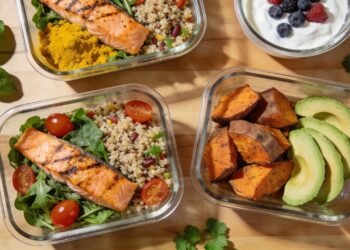
– Meal Prep Containers: Ideal for planning and storing well-balanced meals that support energy needs during physical activity.
– Blender: Facilitates quick preparation of nutritional smoothies or shakes.
– Healthy Snacks: Nuts, seeds, fruits, and whole-grain bars that align with your sports nutrition plan.
– Foam Roller or Massage Ball: Aids muscle recovery and flexibility.
– Optional: Jump rope for cardio, a stationary bike, or a treadmill if space and budget allow.
Timing / Routine Schedule

A well-structured timing and routine is crucial to maximize the benefits of healthy sports and sports nutrition.
– Preparation Time: Set aside 10–15 minutes to warm up and meal prep, which boosts safety and nutrition.
– Workout Duration: Aim for 30–60 minutes per session, 3–5 times a week, mixing cardio, strength, and flexibility exercises.
– Nutrition Timing: Eating meals with balanced macronutrients within 30 minutes post-workout promotes recovery.
– Improvement Timeframe: Visible fitness and wellness improvements typically appear around 4–6 weeks, with sustained energy and better mood noticeable much sooner.
Planning your schedule around your lifestyle and commitments increases adherence and reduces burnout.
Step-by-Step Instructions

Follow these clear steps to integrate healthy sports coupled with smart sports nutrition effectively:
1. Set Realistic Goals: Define what you want to achieve—be it endurance, strength, or weight management.
2. Create a Balanced Weekly Plan: Mix different physical activities such as walking, yoga, and resistance training.
3. Prepare Nutritious Meals: Focus on lean proteins, complex carbs, and healthy fats tailored to your energy expenditure.
4. Hydrate Regularly: Drink water throughout the day, especially before and after workouts.
5. Warm-Up & Cool-Down: Spend 5–10 minutes warming up and cooling down to prevent injury.
6. Monitor Progress: Use a journal or app to record workouts, meals, and how you feel physically and mentally.
7. Adjust as Needed: Refine workouts and nutrition plans based on performance and recovery.
Practical tips: Incorporate mindfulness during meals to recognize hunger cues and avoid overeating. Additionally, cross-train to reduce injury and stay motivated.
Nutritional Benefits / Health Advantages
Focusing on sports nutrition while engaging in healthy sports provides multiple benefits:
– Enhanced Energy Levels: Proper fuel keeps workouts effective and daily activities sustained.
– Improved Muscle Recovery: Nutrient timing helps repair muscles faster.
– Better Immune Function: Balanced nutrition supports immune defenses crucial for active individuals.
– Mental Clarity: Exercise combined with adequate nutrition reduces stress hormones and improves cognitive function.
– Weight Management: Combining exercise with mindful eating fosters a healthy body composition.
These advantages translate into a higher quality of life and reduced risk of chronic diseases.
Tips, Alternative Methods, or Health Advice
To personalize your approach, consider these variations:
– Low-Impact Alternatives: Swimming or cycling suits those with joint concerns.
– Plant-Based sports nutrition: Incorporate plant proteins like lentils and quinoa for vegetarians or vegans.
– At-Home Cardio: Dance routines or step aerobics use minimal space with great benefits.
– Include Rest Days: Recovery is essential—listen to your body’s signals.
– For Beginners: Start with shorter workouts, gradually increasing intensity.
– Adjust for Age: Older adults should focus more on flexibility and balance exercises.
Consult health professionals before starting new supplements or intensive routines.
Common Mistakes to Avoid
Avoid these pitfalls to maximize results:
– Skipping Warm-Ups: Leads to injuries and poor performance.
– Neglecting Hydration: Causes fatigue and hampers recovery.
– Overtraining: Can cause burnout and chronic soreness.
– Ignoring Nutrition: Without balanced eating, workouts may not yield expected benefits.
– Inconsistent Routine: Fluctuating schedules limit progress.
– Poor Posture or Form: Increasing injury risk during exercises.
Fix these by maintaining a consistent schedule, prioritizing safety, and planning nutrition intentionally.
Storage / Maintenance Tips
Keep your progress sustainable with these habits:
– Store Supplements Correctly: Follow storage instructions to preserve potency.
– Clean Equipment Regularly: Hygiene extends equipment life and prevents illness.
– Maintain Food Supplies: Keep healthy snacks fresh and rotate meal preps.
– Track Progress Monthly: Reassess goals and adjust plans accordingly.
– Incorporate Variety: Refresh workout and meal plans to stay engaged.
Enduring success depends on balance, care, and adaptability.
Conclusion
Embracing healthy sports along with optimized sports nutrition right from your home empowers you to take charge of your health in a manageable, scalable way. By equipping yourself with the right tools, scheduling wisely, following clear steps, and avoiding common mistakes, you set yourself up for notable improvements in energy, wellness, and performance over time. Don’t wait—start small today, tailor your approach to what works best for you, and share your progress or explore related tips in our other posts. Your body and mind will thank you!
FAQs
Q1: Can I get enough protein through home meals for sports nutrition?
Yes, combining diverse protein sources like eggs, legumes, dairy, and lean meats can meet your requirements effectively.
Q2: How often should I change my healthy sports routine?
Every 6–8 weeks is advisable to avoid plateaus, maintain motivation, and stimulate continual improvement.
Q3: Is hydration really that important for workout recovery?
Absolutely. Hydration supports nutrient transport and muscle repair essential for post-exercise recovery.
Q4: What if I don’t have much space for healthy sports activities at home?
Choose exercises like yoga, bodyweight workouts, or jump rope that require minimal space.
Q5: How can I balance sports nutrition on a tight budget?
Focus on affordable staples like oats, beans, eggs, frozen vegetables, and seasonal fruits; meal prepping saves money too.
—
Start your journey toward a healthier, more active lifestyle today with these home-based strategies for healthy sports and balanced sports nutrition. Your future self will be grateful!