








































Your Ultimate Guide to Anxiety Relief and Stress Management at Home
Do you often feel overwhelmed by daily pressures or find it difficult to relax after a hectic day? You’re not alone. Understanding how to achieve effective anxiety relief and stress management at home can significantly improve your mental well-being and overall quality of life. With the right approach, you can take control of your health from the comfort of your living space. This blog will provide you with practical, science-backed steps to foster calm and resilience, and embrace a healthier lifestyle tailored to your needs.
Materials & Supplies
To support your journey toward anxiety relief and stress management at home, having the right materials handy can make a big difference. Here’s what you might need:
– Yoga Mat or Comfortable Exercise Mat: Useful for relaxation techniques like yoga or stretching.
– Aromatherapy Diffuser or Essential Oils (Lavender, Chamomile, Bergamot): Known for their calming effects that can reduce anxiety.
– Journal or Notebook: Ideal for writing down thoughts, emotional triggers, and gratitude lists — helpful tools for mental clarity.
– Meditation App or Timer: Helps structure meditation or breathing exercises sessions.
– Herbal Teas (such as green tea or valerian root): Natural relaxants.
– Weighted Blanket (Optional): Provides deep pressure stimulation, which can promote anxiety relief.
– Healthy Snacks or Supplements (magnesium, omega-3s): Nutrients that support nervous system health.
– Noise-Canceling Headphones (Optional): Great for creating a peaceful environment free of distractions.
– Comfortable Seating or Cushion: Encourages proper posture during seated relaxation or mindfulness practices.
These materials are excellent starting points, but your home environment is flexible. You can adapt them according to your preferences or budget.
Timing / Routine Schedule
Setting aside a dedicated routine for stress management and anxiety relief is crucial. Here’s what you should consider:
– Preparation Time: Minimal setup is needed; typically 5-10 minutes to gather materials and prepare your space.
– Recommended Routine Duration: Aim for 15-30 minutes daily. Consistency is key to seeing tangible progress.
– Expected Timeframe for Noticeable Improvement: Many people experience initial benefits within a week, but deeper, lasting changes may take 4-6 weeks with regular practice.
– Routine Planning Tips: Integrate sessions into your morning or evening rituals to enhance consistency. Even small mindfulness breaks during work can aid in managing stress.
Comparatively, this approach requires less time than frequent therapy sessions and offers flexible options to fit your schedule.
Step-by-Step Instructions

Follow these easy steps to effectively apply techniques for anxiety relief and stress management:
1. Create a Calm Environment: Choose a quiet space, dim the lights or use soft lighting, and play gentle background sounds or silence.
2. Practice Deep Breathing: Inhale deeply through your nose for 4 seconds, hold for 7 seconds, then exhale slowly through your mouth for 8 seconds. Repeat for 4 cycles.
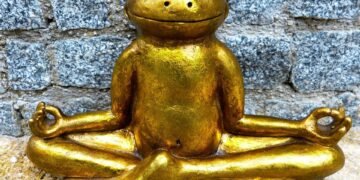
3. Engage in Mindful Meditation: Sit comfortably, focus on your breath or a soothing word, and gently bring attention back when your mind wanders.
4. Incorporate Gentle Movement: Try simple yoga poses or stretches to release muscle tension.
5. Utilize Aromatherapy: Add a few drops of calming essential oils to your diffuser to create a relaxing ambiance.
6. Journal Your Feelings: Spend 5-10 minutes writing about your emotions, stressors, or things you’re grateful for.
7. Enjoy a Herbal Tea: Sip on a warm cup of tea to further enhance relaxation.
8. Optional Weighted Blanket Usage: Wrap yourself gently and focus on the comforting pressure.
9. End with Positive Affirmations: Repeat calming phrases to yourself, such as « I am safe » or « I am in control. »
Small tips: Use reminders or alarms to schedule practice times. Adjust breathing pace based on comfort.
Nutritional Benefits / Health Advantages
Addressing anxiety and stress through lifestyle practices delivers numerous benefits:
– Enhanced Mental Clarity: Reduces brain fog and promotes focus.
– Improved Sleep Quality: Calm routines aid in falling asleep faster and staying asleep.
– Stabilized Mood: Helps balance neurotransmitters linked to anxiety and depression.
– Lowered Blood Pressure and Heart Rate: Supports cardiovascular health.
– Boosted Immune Function: Chronic stress weakens immunity; managing it strengthens defenses.
– Increased Energy Levels: Less worry translates to better vitality throughout the day.
– Reduced Muscle Tension and Pain: Mind-body approaches alleviate physical manifestations of stress.
– Better Eating Habits: Mindfulness often curbs emotional eating patterns.
Tips, Alternative Methods, or Health Advice
Explore these variations or complementary approaches:
– Guided Imagery or Visualization: Using apps or recordings to imagine peaceful scenes.
– Progressive Muscle Relaxation: Tensing and relaxing muscle groups sequentially.
– Creative Outlets: Painting, music, or crafting can help channel stress productively.
– Physical Activity: Regular walking, swimming, or dancing improves mood naturally.
– Social Connections: Talking to trusted friends or support groups nurtures emotional health.
– Professional Support: For chronic anxiety, combine home methods with therapist guidance.
– Adapt for Beginners: Start with shorter sessions; gradually increase time.
– Consider Environment: Urban dwellers might benefit from indoor plants or nature sound apps.
– Age-sensitive Adjustments: Children and seniors may require simpler or assisted techniques.
Common Mistakes to Avoid
Avoid these pitfalls during your anxiety relief and stress management journey:
– Skipping Consistency: Irregular practice reduces effectiveness.
– Overdoing It Initially: Trying too long too soon can feel overwhelming.
– Ignoring Physical Cues: Pain or dizziness should prompt adjustment.
– Multitasking During Practice: Full attention is necessary to gain benefits.
– Neglecting Environment: Clutter or distractions impair relaxation.
– Expecting Instant Results: Change takes patience.
– Relying Solely on Supplements: These assist but don’t replace techniques.
– Not Seeking Help When Needed: Professional care is important for severe symptoms.
Storage / Maintenance Tips
Maintaining progress requires ongoing attention:
– Create a Dedicated Space: Keep your materials accessible and organized.
– Routine Check-ins: Reflect weekly on what works or needs tweaking.
– Mindful Scheduling: Adjust times as life changes to sustain habit.
– Record Your Journey: Track moods, triggers, and improvements.
– Stay Open to New Techniques: Adapt and expand your toolkit as needed.
– Self-care Balance: Integrate restful practices with active lifestyle choices.
– Avoid Burnout: Honor your limits and take breaks when necessary.
Conclusion
Establishing effective anxiety relief and stress management routines at home empowers you to improve mental resilience and overall health. By utilizing simple materials, dedicating time consistently, and following clear steps, you can foster a calming lifestyle that nurtures well-being. Don’t hesitate to share your experiences in the comments or explore our related posts for more wellness insights. Your journey toward peace starts today!
FAQs
Q1: How long should daily sessions for anxiety relief last?
A1: Starting with 15-20 minutes daily is effective. You can increase the time as you become comfortable.
Q2: Can I combine aromatherapy with meditation?
A2: Absolutely. Aromatherapy enhances the sensory environment and deepens relaxation in meditation.
Q3: Are there specific foods that help reduce stress?
A3: Yes, foods rich in magnesium, omega-3 fatty acids, and antioxidants support nervous system health.
Q4: How soon will I notice a difference from stress management practices?
A4: Some people feel relaxed immediately, but consistent benefits typically emerge within 4-6 weeks.
Q5: What if I have trouble focusing during meditation?
A5: This is normal. Gently guide your attention back each time your mind wanders without judgment.
—
Start integrating these proven tips and take charge of your mental wellbeing today for lasting anxiety relief and stress management at home!